


 Italiano
rethinking how we design
Artificial intelligence is beginning to influence architecture and interior design in subtle but meaningful ways. Not as a replacement for intuition, craft, or authorship, but as a tool that reshapes how ideas are explored, tested, and refined.
At Pardini Hall Architecture, we see AI in architecture as part of a wider shift in practice. One that invites us to slow down, ask better questions, and explore more possibilities before committing to form. Design still begins with place, light, proportion, and emotion. Technology simply expands the field in which those decisions are made.
This moment is less about automation, and more about amplification.
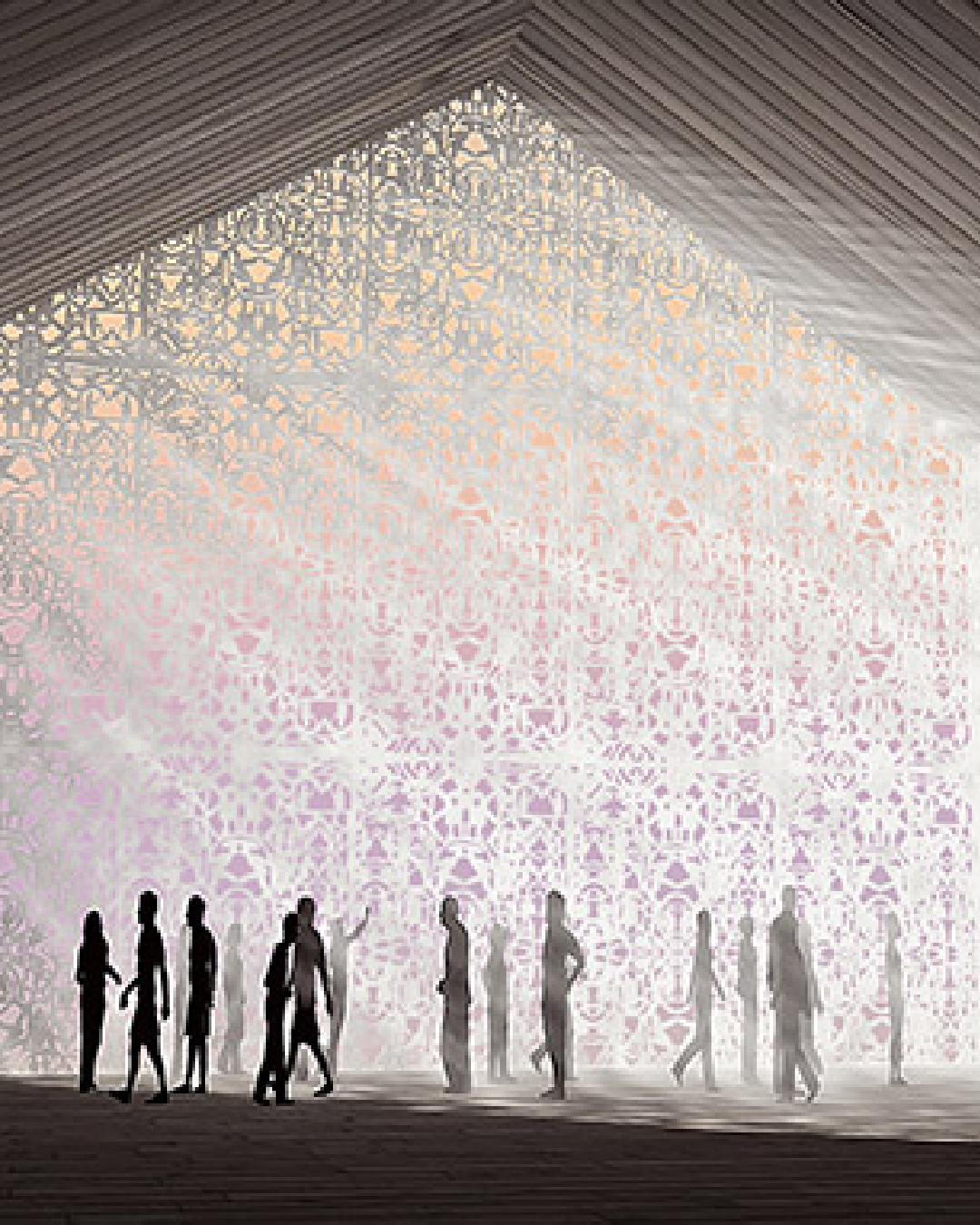
what AI in architecture and interiors means
Artificial intelligence in architecture refers to systems that learn from patterns and predict outcomes. In practice, this includes tools that can generate early spatial layouts, visualise materials and lighting conditions, simulate environmental performance, and support decision-making around sustainability and efficiency.
Tasks that once required extended manual testing can now be explored more fluidly. Multiple spatial options can be assessed side by side. Lighting scenarios can be tested early. Material combinations can be refined with greater clarity.
This acceleration is not about speed for its own sake. It allows architects to explore more deeply and to challenge assumptions before decisions are fixed. Generative design tools become a way of extending imagination rather than limiting it.
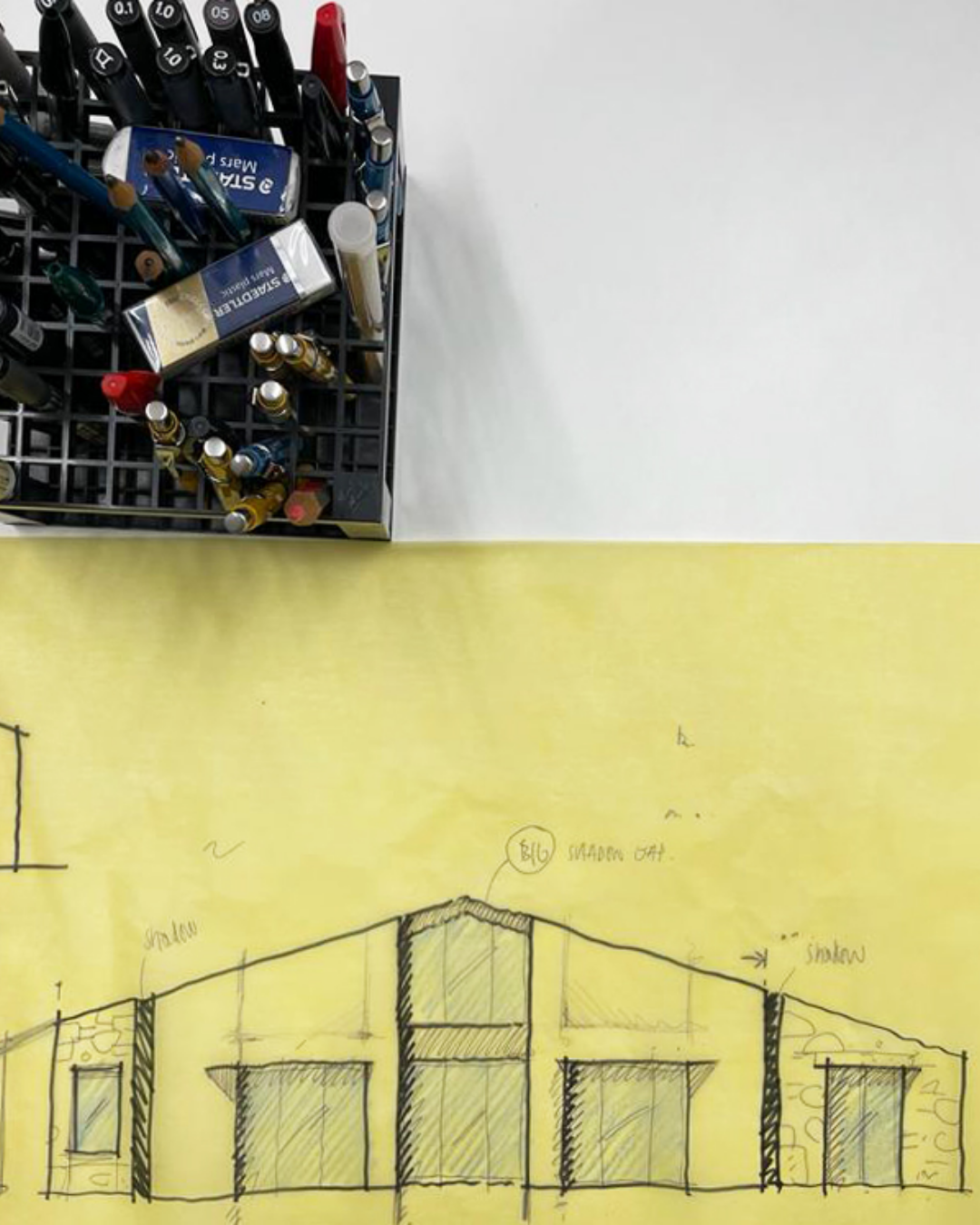
AI as a collaborator, not an author
The introduction of AI shifts the role of the architect. The focus moves from production to curation, from drawing to judgement.
Human-centred AI requires discernment. Knowing what to ask, how to interpret outputs, and when to disregard them entirely becomes part of the design craft. AI interior design tools can generate images and options quickly, but meaning is still shaped by experience, memory, and context.
For clients, AI can bring immediacy. Ideas evolve in real time. Atmospheres can be compared. Yet a convincing image does not automatically result in a meaningful space. Architecture is lived over time, not consumed at a glance.
At PHA, we see AI as an amplifier of sensibility. The hand, the intuition, and the understanding of materials remain central.
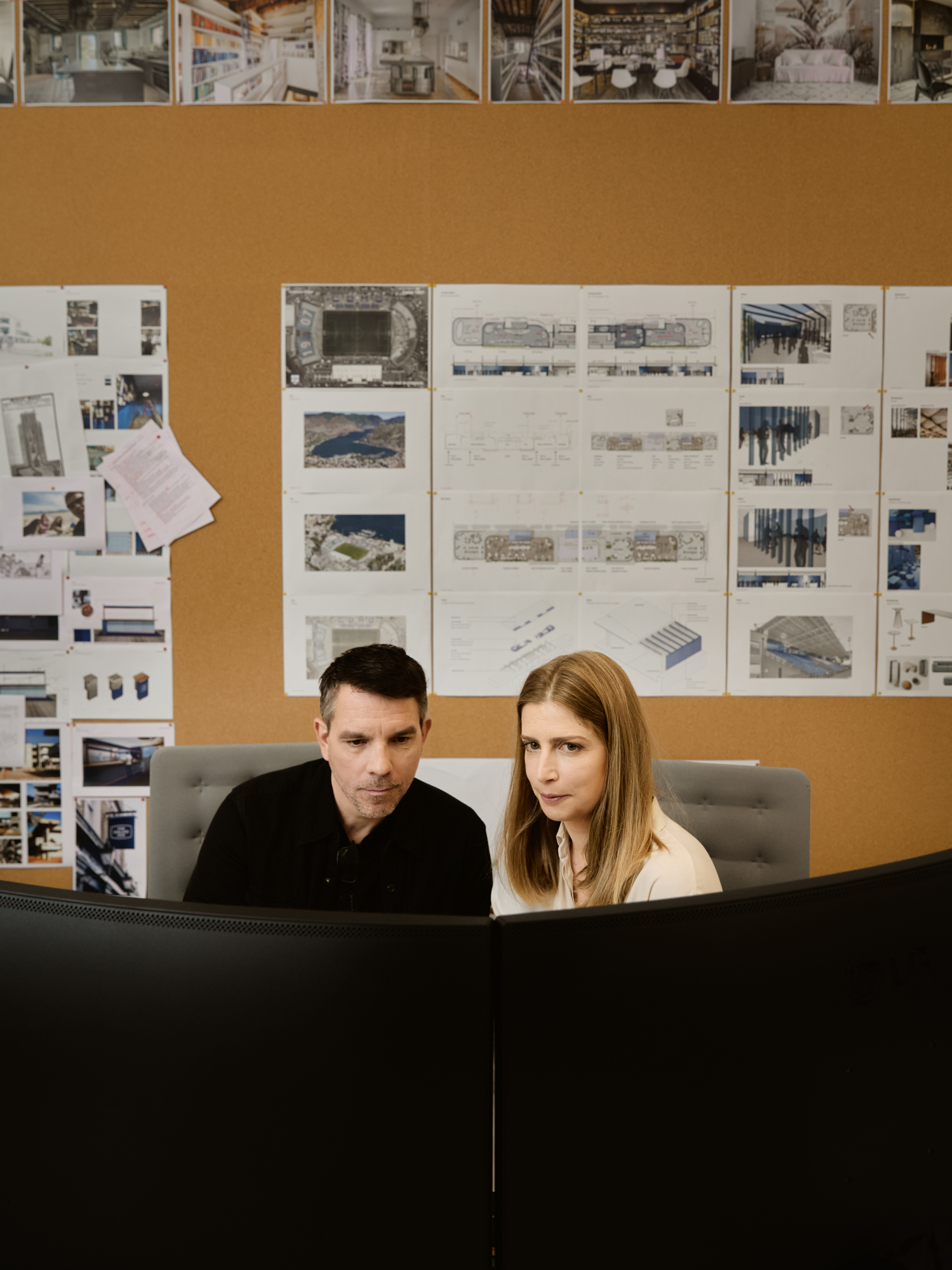
looking ahead
The future of architecture will continue to evolve alongside technology. Emerging developments include generative sustainability tools, text-to-3D modelling, and adaptive interiors that respond to environmental data.
Each presents opportunity, but also responsibility. The challenge is not whether to use AI, but how. Speed must not replace thought. Efficiency must not erase character.
For studios rooted in narrative and material sensitivity, the task is to use technology as a support for empathy and care.
integrating AI with intention
We integrate AI selectively, focusing on moments where it enhances clarity rather than noise.
In early concept stages, AI supports the exploration of spatial rhythm, proportion, and light. In material studies, it helps test palettes that balance texture, tone, and sustainability. In performance analysis, AI-informed tools assist with daylight strategies and energy efficiency.
These tools sit within our workflow, not above it. They support exploration and communication, while craftsmanship, detailing, and long-term thinking remain unmistakably human.
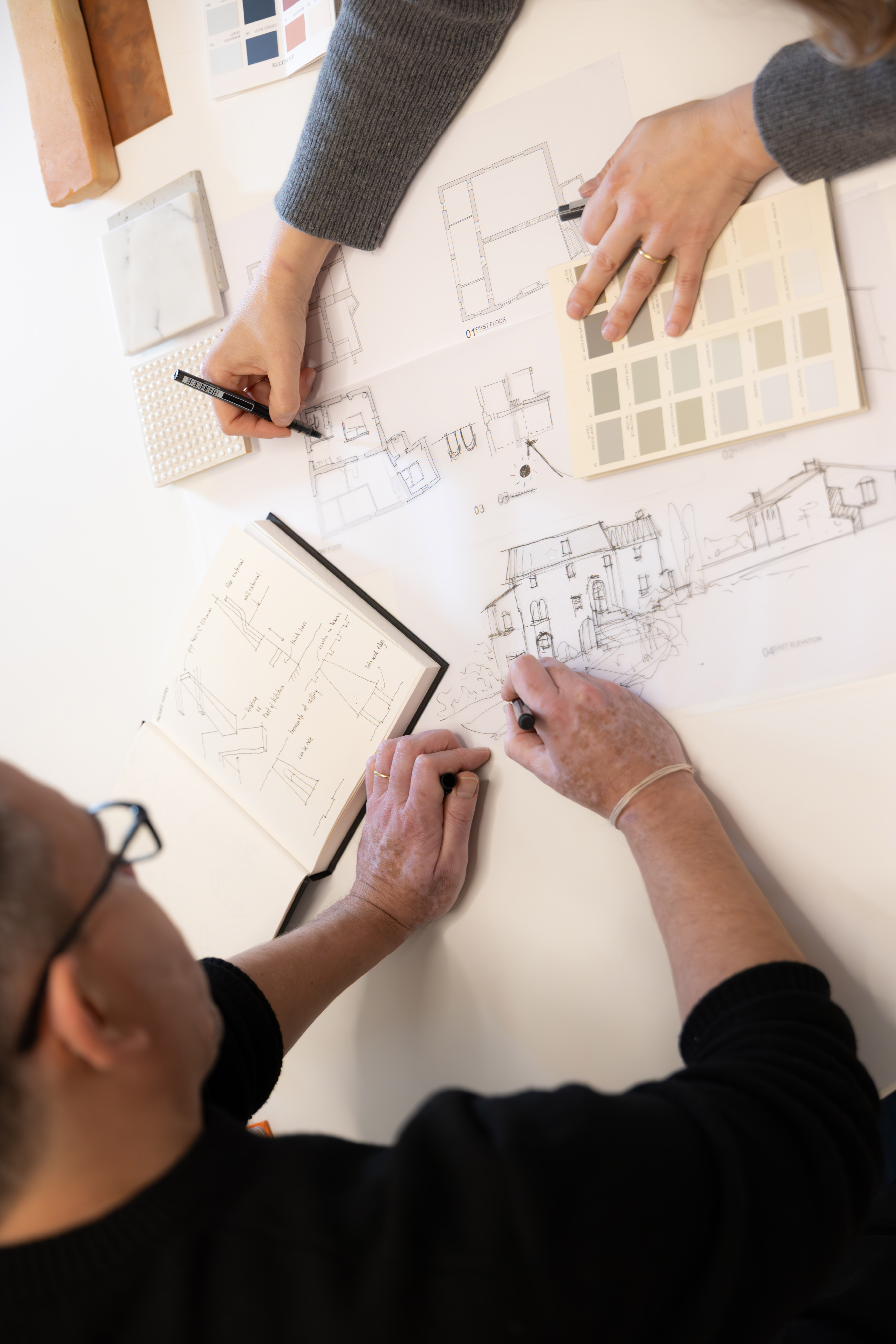
reflection
Artificial intelligence will not design our buildings for us.
But it can help us design with greater awareness.
But it can help us design with greater awareness.
AI reflects possibilities back to us, allowing ideas to be tested, questioned, and refined. The final judgement remains human.
Architecture and interiors are experiences, not outputs. Technology may change how we explore them, but the essence remains tactile, emotional, and grounded in place.
AI is here to extend our intuition, not replace it.
An Italian eye, a London practice. We design here and build with people on the ground.