


 Italiano
rethinking sustainability at home
The future of sustainable homes 2026 is not defined by technology alone. It is shaped by how architecture responds to place, climate, and the rhythms of daily life.
Sustainability is no longer an added layer. It is embedded in how a home is positioned, how it is shaded, how it gathers energy, and how it allows its inhabitants to live with greater awareness.
Casa al Pozzo reflects this shift. Rather than standing apart from its setting, the house listens to the land, forming a quiet dialogue between architecture and landscape.
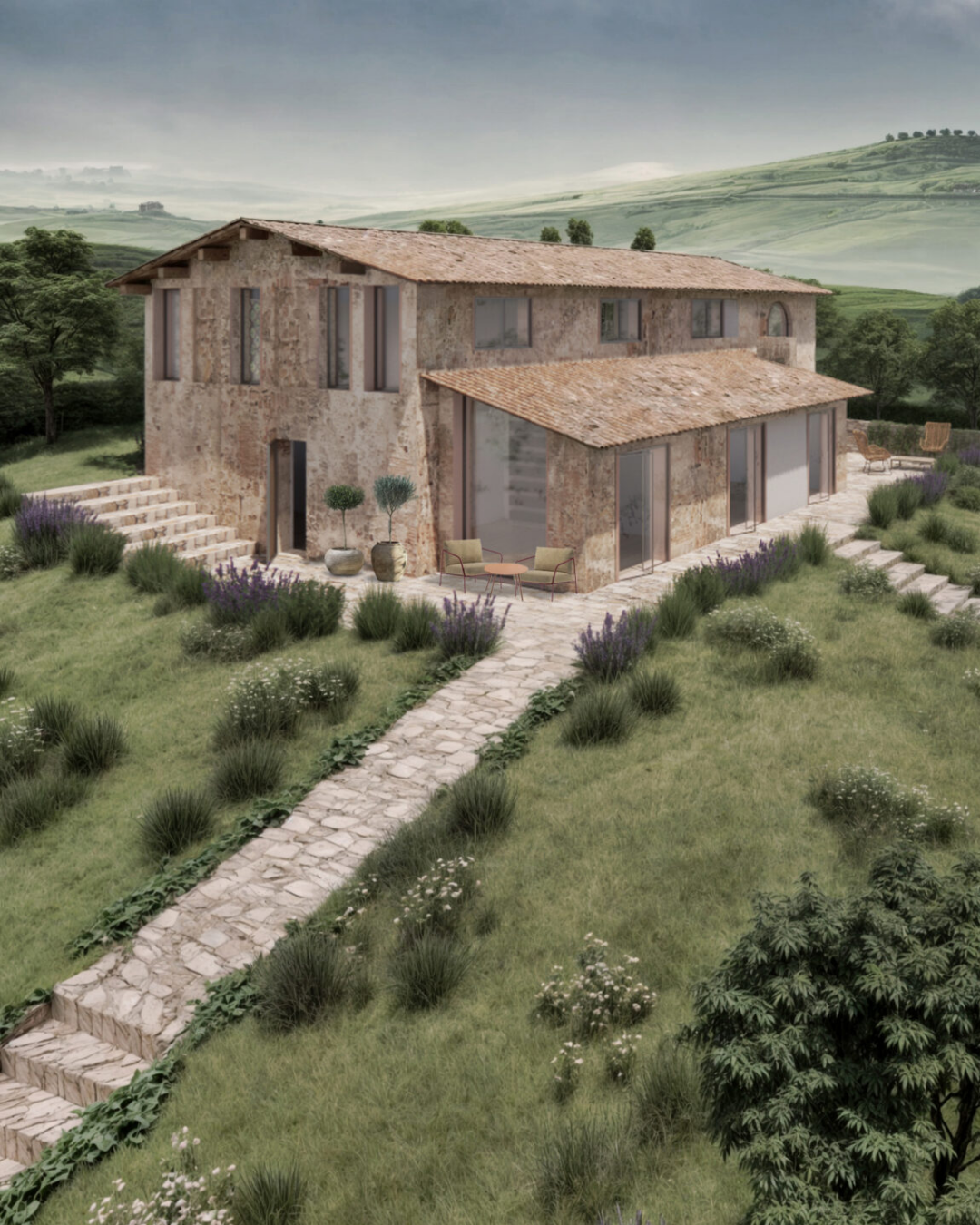
architecture that follows the land
One of the defining characteristics of sustainable homes 2026 is sensitivity to terrain. Instead of flattening or dominating a site, architecture increasingly works with existing contours.
At Casa al Pozzo, the building gently follows the natural topography, allowing the landscape to guide form and movement. This approach reduces environmental impact while strengthening the connection between indoor and outdoor space.
The result is an architecture that feels grounded. Spaces unfold naturally, shaped by the land rather than imposed upon it.
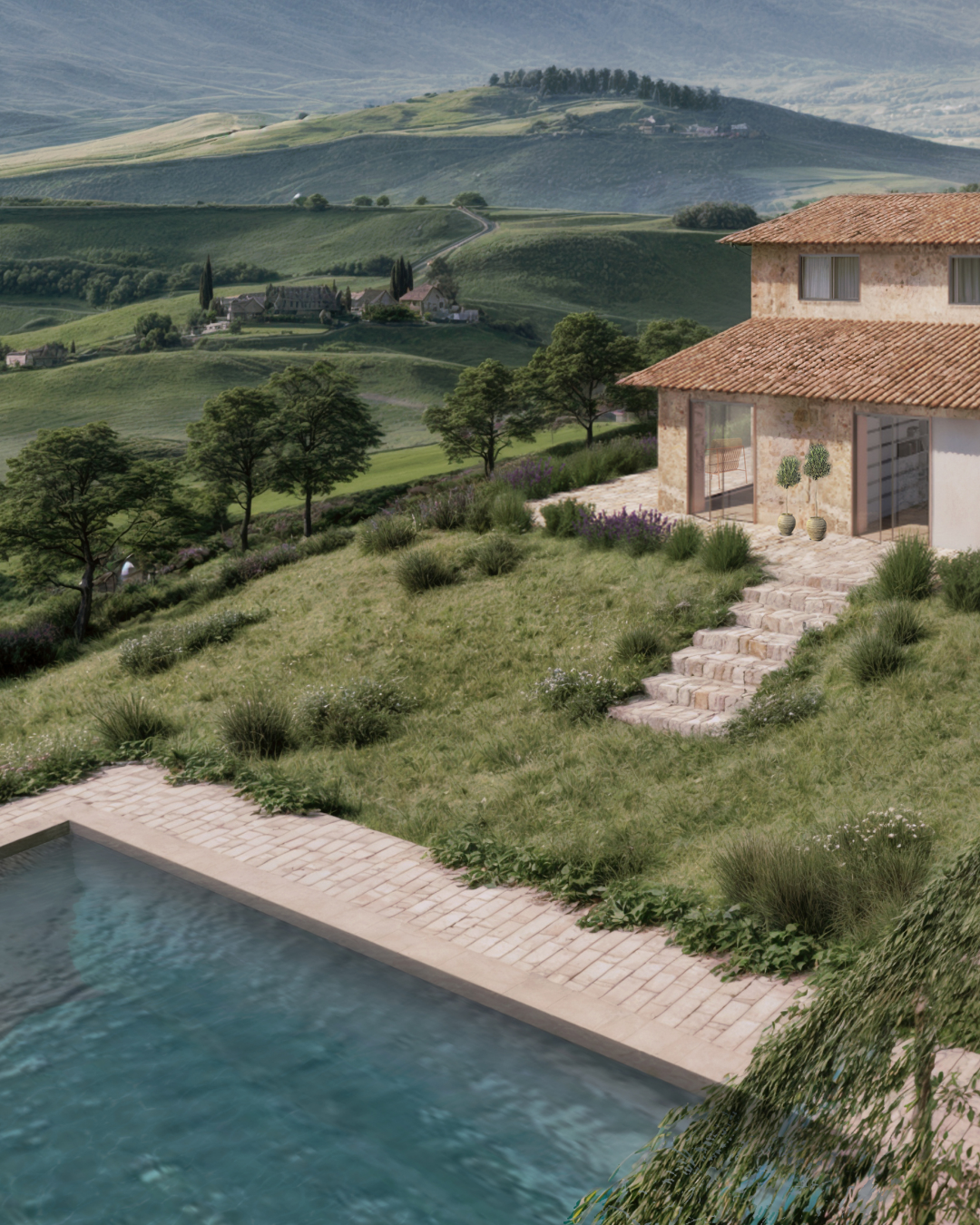
low-carbon strategies rooted in simplicity
Low-carbon homes in 2026 will rely less on complex systems and more on intelligent design decisions made early in the process.
Casa al Pozzo integrates photovoltaic panels discreetly within the landscape, supporting energy-efficient living without visual intrusion. Natural shading, planting strategies, and orientation work together to reduce energy demand and improve comfort throughout the year.
These choices are quiet but effective. Sustainability here is not performative. It is practical, long-term, and deeply considered.
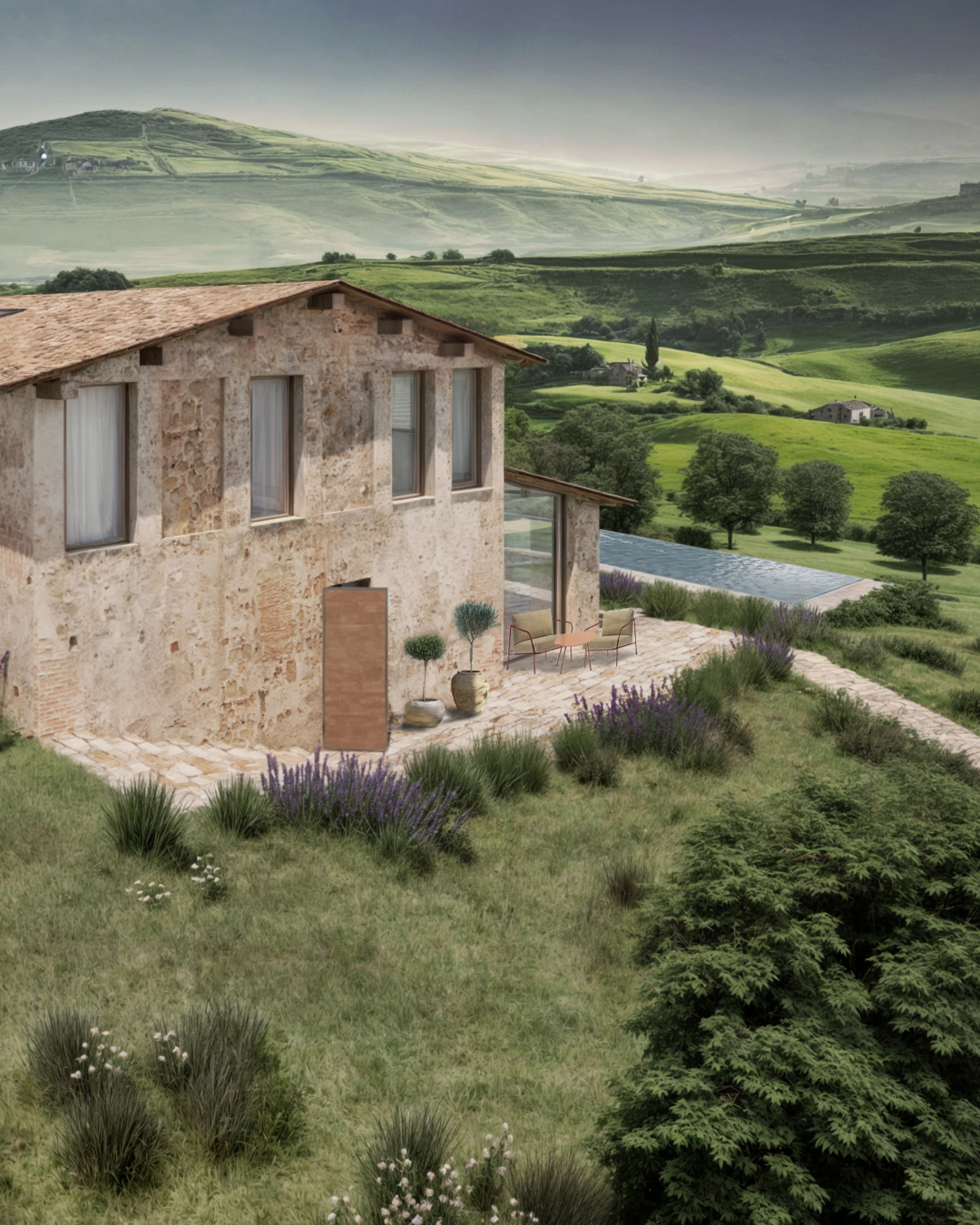
landscape as part of the architecture
Regenerative architecture looks beyond the building envelope. It considers how landscape contributes to comfort, privacy, and ecological health.
Existing and newly planted trees at Casa al Pozzo shape microclimates, filter views, and create a sense of enclosure. The garden is not an afterthought. It extends the living experience outward, reinforcing the relationship between home and environment.
Here, nature is not decoration. It is structure, shelter, and atmosphere.
interiors shaped by light and balance
Inside, the future of eco-friendly home design prioritises spatial clarity and wellbeing. Open-plan living areas encourage connection, while carefully placed private spaces allow retreat.
At the heart of Casa al Pozzo, a naturally lit staircase becomes more than circulation. It is a moment of pause, drawing daylight deep into the home and linking levels with ease.
This balance between openness and privacy reflects how sustainable homes 2026 are evolving: adaptable, calm, and attuned to how people actually live.
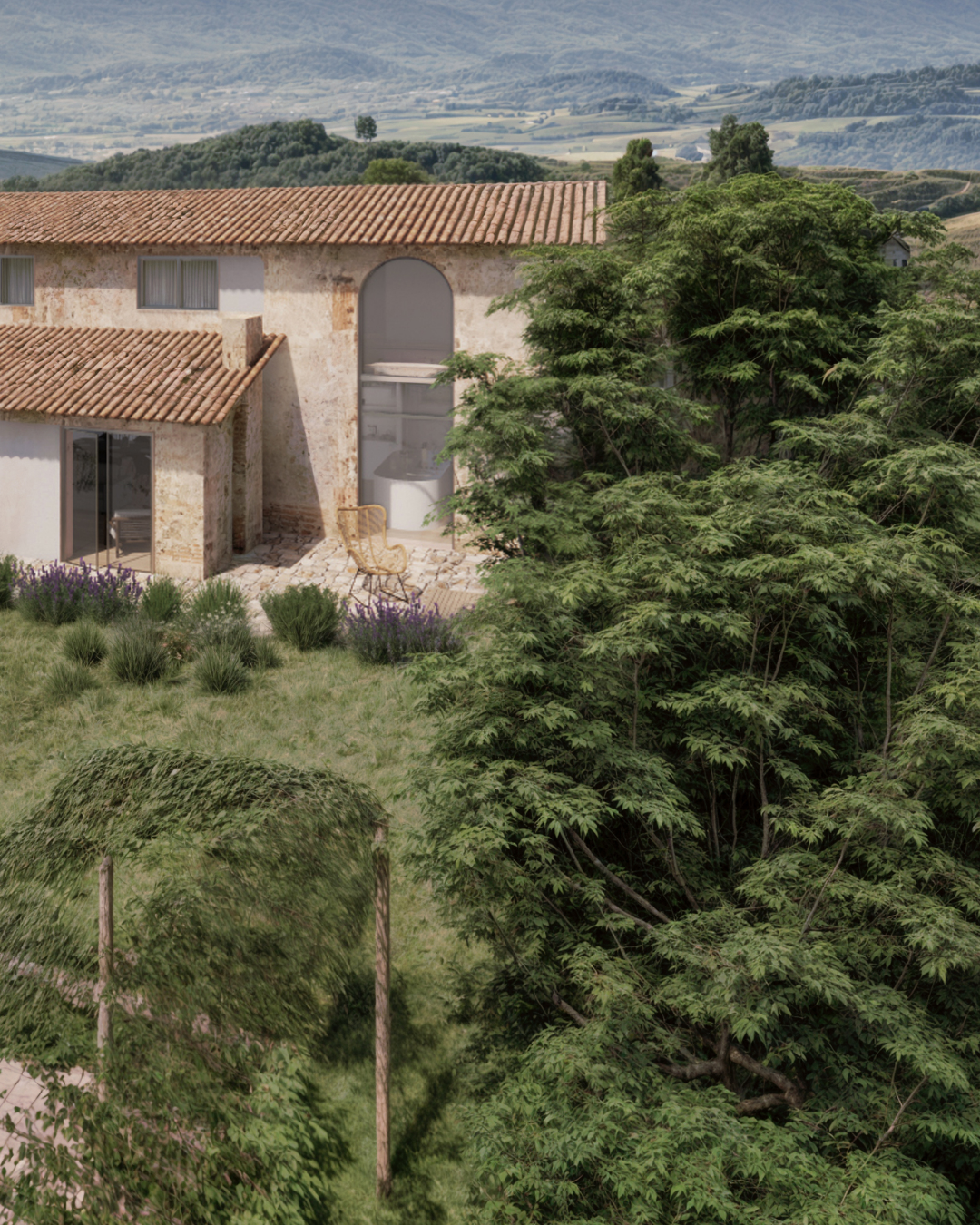
towards a quieter future of living
Green building trends in sustainable homes 2026 point towards restraint rather than excess. Homes that last. Homes that adapt. Homes that feel rooted.
Casa al Pozzo offers a clear example of this direction. It demonstrates how sustainable homes can be contemporary without being disconnected, innovative without being intrusive.
The future is not louder architecture.
It is architecture that listens.
It is architecture that listens.
reflection
Sustainable homes 2026 are no longer about proving a point.
They are about creating balance.
They are about creating balance.
In 2026, the most meaningful homes will be those that reduce impact while enriching daily life. They will work with landscape, climate, and light to create spaces that feel essential rather than excessive.
Casa al Pozzo reminds us that sustainability is not a style.
It is a way of living with intention.
It is a way of living with intention.