


 Italiano
the decisions that don’t appear in the certificate
Fifteen years ago I was part of the team that delivered 7 More London, the first office building in the UK to be rated BREEAM Outstanding. It sat on the Thames beside Tower Bridge, and for a while it was, on paper, the greenest large building in Britain. These days I spend my time on buildings a hundred times smaller — a flat in Hampstead, a family house in Lucca — and I am often asked whether anything carries over from one world to the other. The honest answer is: more than you would think, and less than the certificates suggest.
what a certificate measures
BREEAM Outstanding is not achieved with one clever move. It is achieved in thousands of small verified decisions: how the energy model is built, where materials come from, what happens to site waste, how the building will be monitored once it is occupied. What that process teaches you — and it marks you permanently — is that sustainability is not a style or a material palette. It is evidence. Either the numbers exist, or the claim doesn’t.
A certificate tells you how a building was designed. Only the building itself, years later, can tell you how it actually lives.

what it misses
The other thing a big certified project teaches you is the limit. BREEAM is rigorous, but it is not the whole of sustainability — no certification is. A rating can only count what can be counted, and treating the checklist as the definition of sustainable design is where it becomes a limiting way of working. An office building is assessed as a machine: energy in, comfort out. A home is not a machine. Nobody issues a credit for the afternoon light in a kitchen, for a bedroom that stays cool in August without a compressor, or for the decision not to demolish a wall that has been holding up a house for a century. Yet these are precisely the moves that decide whether a home is sustainable in the only sense that matters: whether it will still be loved, and standing, in fifty years.
The greenest home in London is almost always the one that is already standing — improved with intent.
bringing the discipline home
When we retrofit a period property at Pardini Hall Architecture, I try to keep the rigour of the certified world and drop its bureaucracy. That means we start from measurement, not mood: where the heat actually escapes, what the existing fabric can honestly do, which interventions repay their carbon cost and which are green theatre.

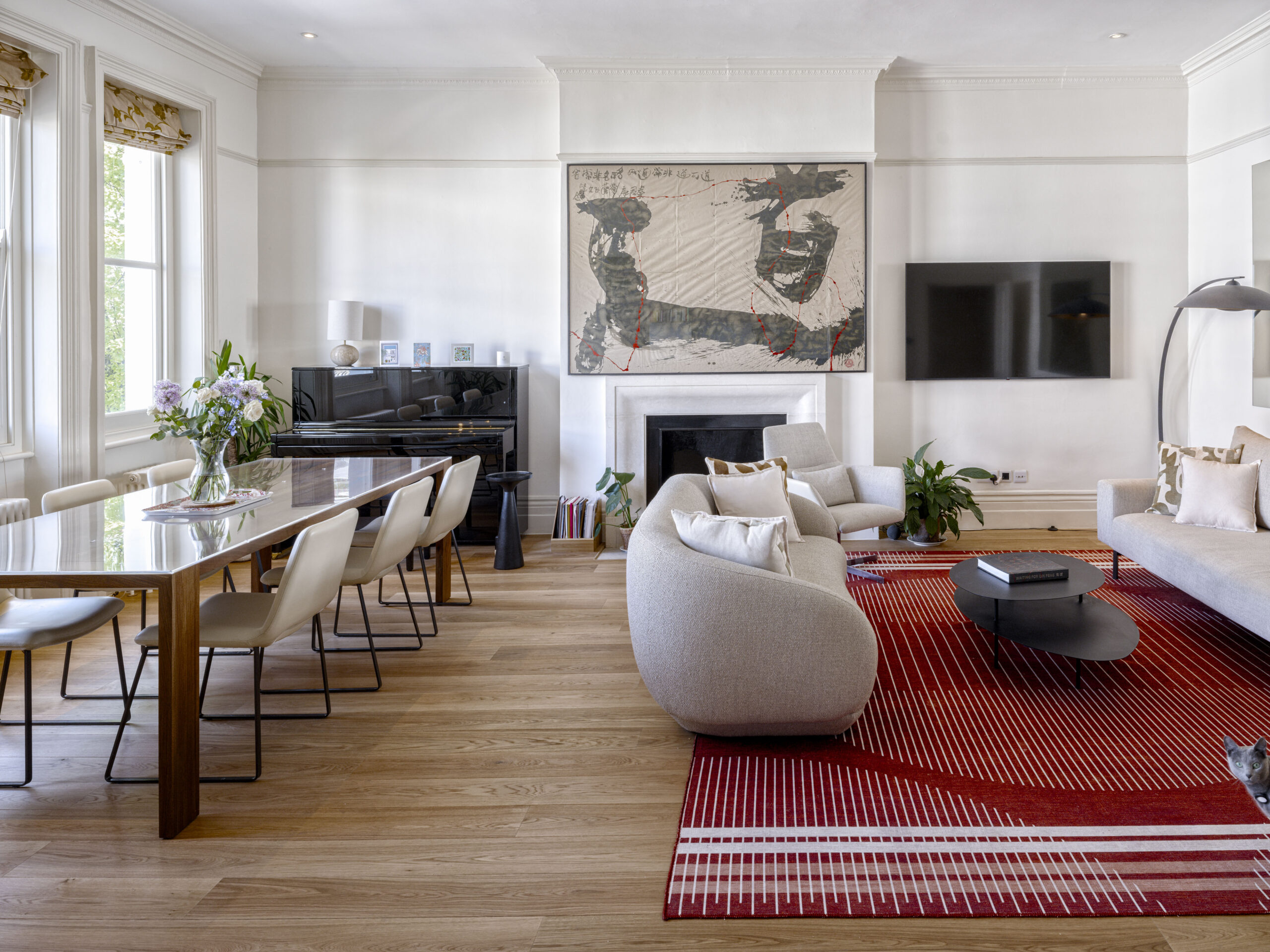
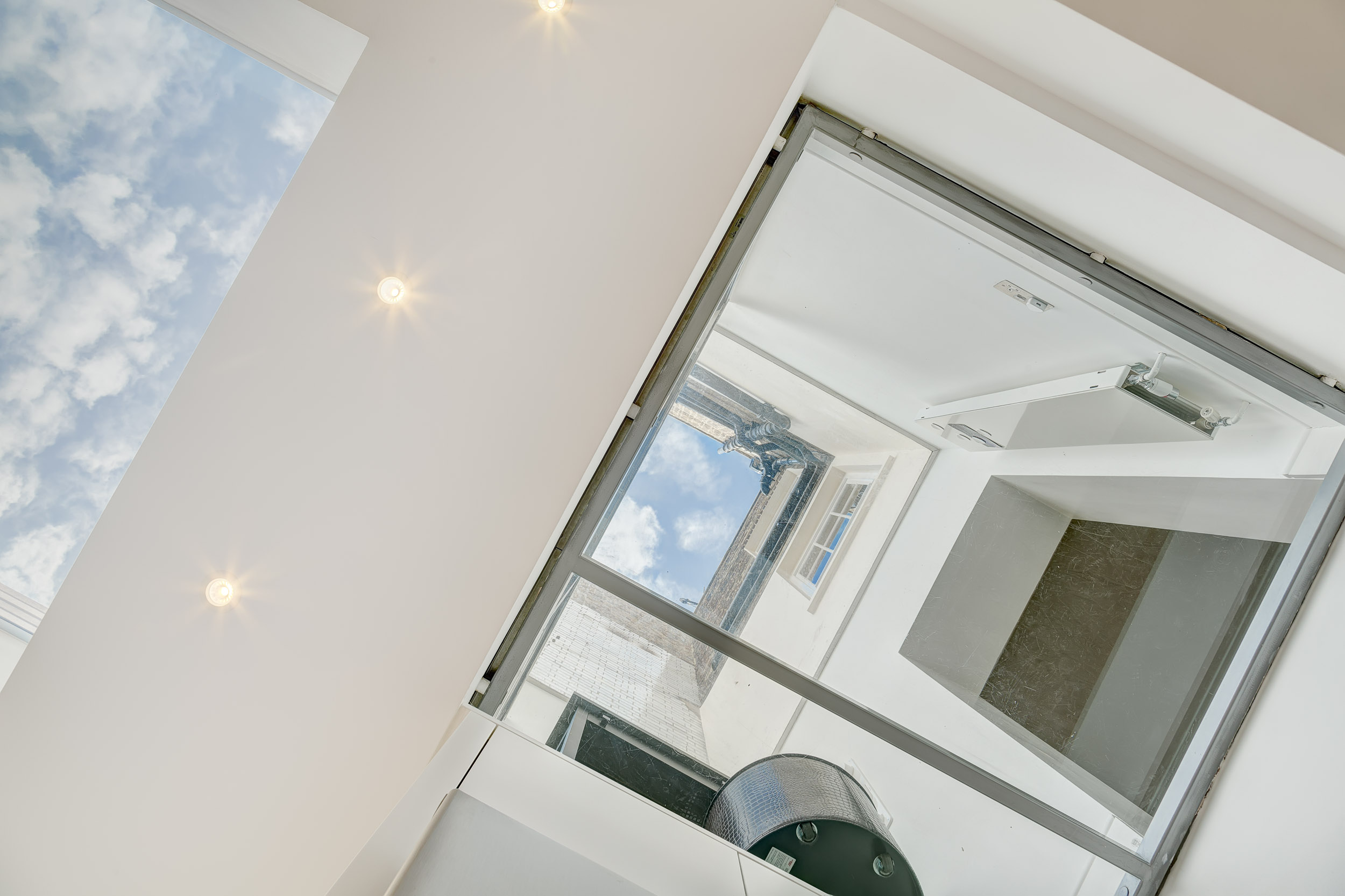
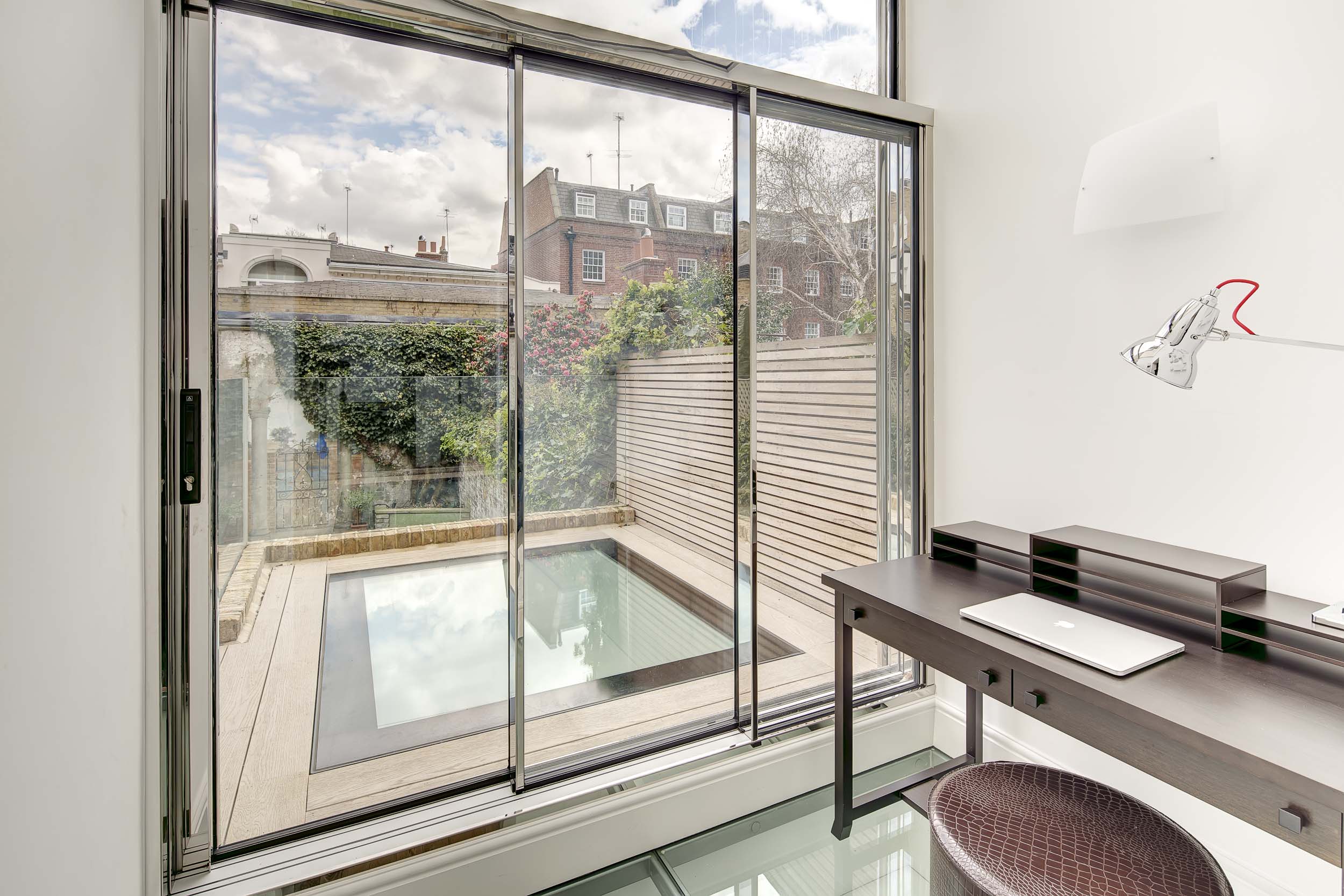
At our recent Hampstead apartment renovation, the most sustainable decisions were the quietest ones: keeping the existing structure almost entirely, reworking the plan so daylight does the work lamps used to do, and choosing materials the next owner will repair rather than replace.
the number the industry doesn’t talk about enough
Most of a renovated home’s carbon is already in the walls — spent decades ago, by someone else. Demolish and rebuild, and you spend it all again. This is why our practice retrofits by default and rebuilds by exception, a position my co-founder Elisa Pardini has written about in Why We Retrofit.
It usually means the unglamorous things first — fabric, airtightness, ventilation done properly in a building that needs to breathe — before any technology with a brochure.
From the big-project side of my career I would only add: the developers of large office buildings learned this lesson because the numbers forced them to. Homeowners deserve the same honesty from their architects.
reflection
Thinking about retrofitting a period property of your own?
Robert Hall is co-founder of Pardini Hall Architecture, an Italian-British practice based in London working across the UK and internationally. Before founding the practice he worked on 7 More London — the first UK office building rated BREEAM Outstanding — the refurbishment of HM Treasury, and a large City of London office building as a partner at MAKE Architects.
An Italian eye, a London practice. We design here and build with people on the ground.