


 Italiano
why the discipline of the city belongs in your kitchen extension
As a partner at MAKE Architects I worked on one of the largest office buildings in the City of London — a single client, a single vast floorplate repeated, and a delivery machine of hundreds of people where a mistake on a Tuesday could cost more than most houses. Today my projects have front doors and family dogs. People sometimes assume that moving from that world to private houses means relaxing. It means the opposite.
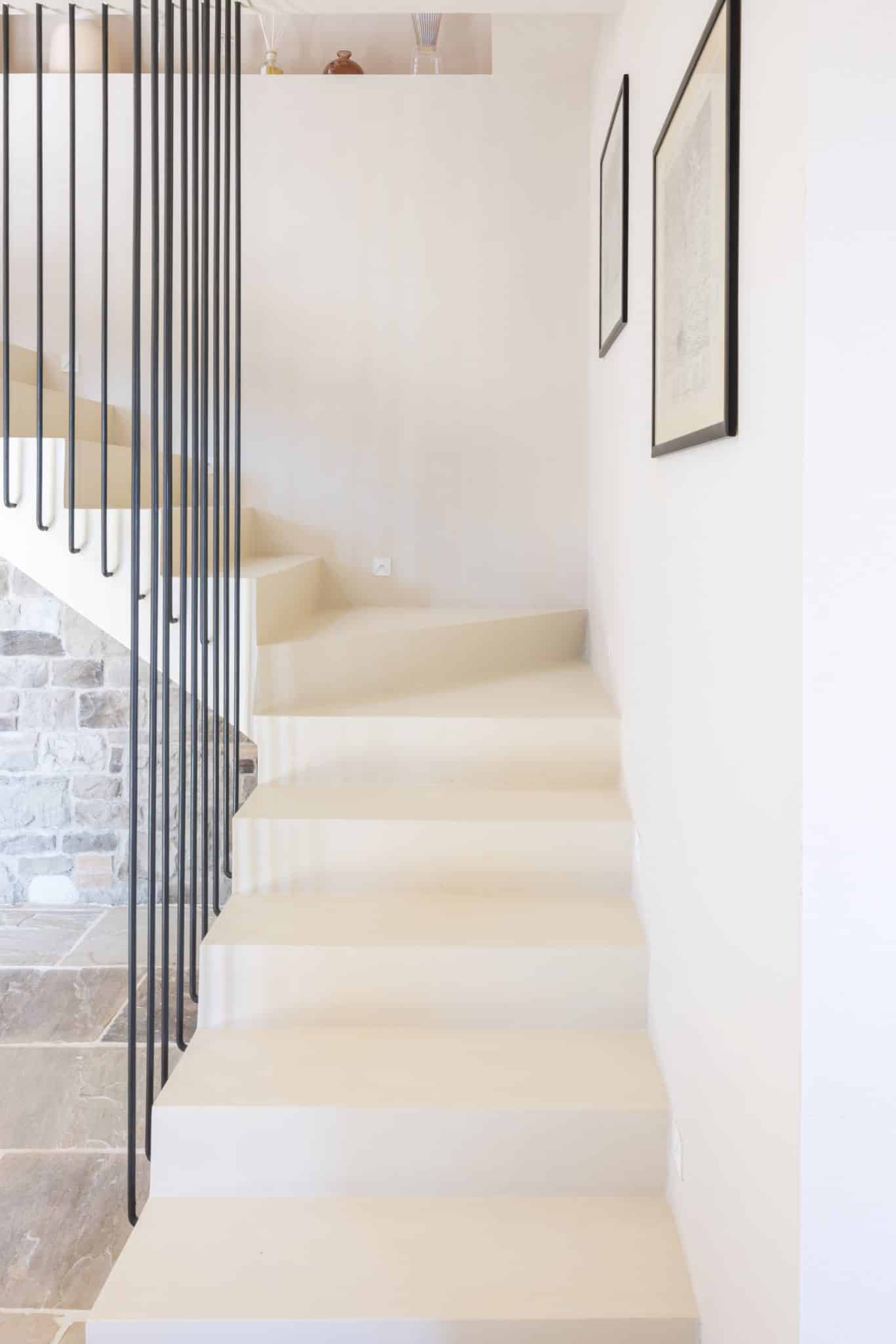
what a big site actually teaches you
Three things, mainly. Sequence: on a major project, nothing is decided in isolation — every choice is tested against what must happen before it and what it makes impossible afterwards. Tolerance: big buildings teach you exactly how much error every junction can absorb, and where there is none to give. Coordination: the drawing is not finished when it looks right; it is finished when the steel contractor, the glazier and the electrician can all build from it without meeting in a corridor to guess.
None of this is glamorous. All of it is transferable.

the most complicated small buildings in the world
Here is the secret of residential work: a family home renovation is not a simple project. It is a complicated project with no room to hide. Every trade passes through the same staircase. The structure, the services, the joinery and the finishes all land in the same few rooms, usually while the client’s life continues around them. On a tower there are a thousand rooms to absorb an error; in a house there is one, and the client eats breakfast in it.
A private client is, without knowing it, buying the discipline of the big site.
what this looks like on our projects
On our Hampstead apartment renovation, the compact 120 square metres demanded exactly the junction-by-junction thinking I learned on floorplates a hundred times that size. On a London family home extension, sequencing the structural work meant the family stayed in the house throughout. And at Palazzina in Tuscany — a sustainable refurbishment inside the historic Tenuta di Forci estate — the same discipline sets the order of the work: what the existing fabric allows first, and what that makes possible afterwards.

Not the big site’s bureaucracy — its habits: decisions made in the right order, drawings a builder can price honestly, and problems solved on paper, where they cost hours, rather than on site, where they cost weeks.
the question to ask your architect
If you are interviewing architects for a renovation, ask a boring question: how will the information reach the builder? The answer tells you more than any portfolio.
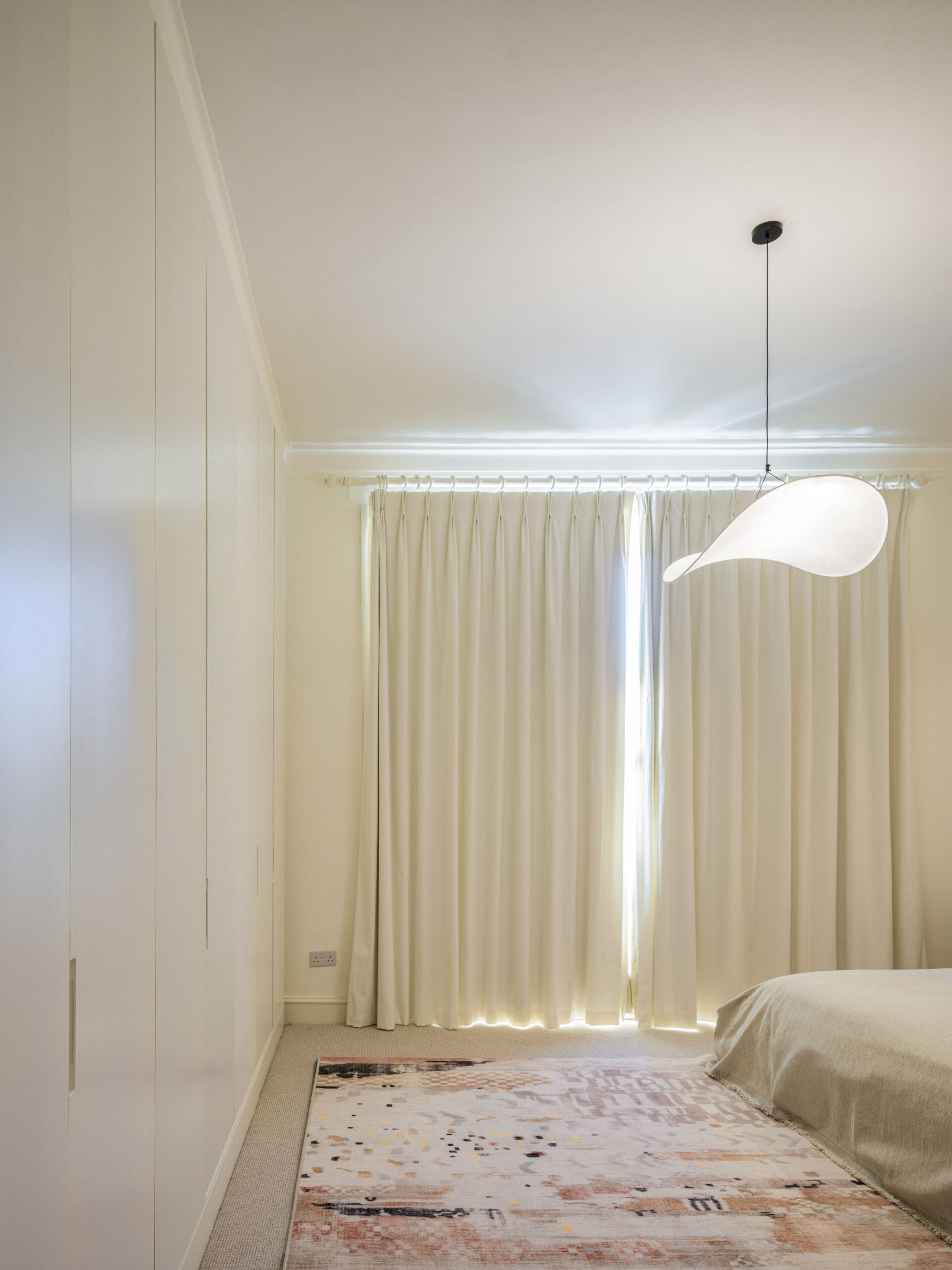

Beautiful houses are designed in the studio, but they are won or lost in the drawings, the schedules and the site meetings — the part of architecture nobody photographs.
reflection
I loved the big sites, and I still carry them with me. But the truest test of a builder’s discipline isn’t a tower for ten thousand people. It is a home for four, delivered calmly, where the family barely noticed how difficult it was. That is the standard we hold ourselves to.
Planning a renovation or extension of your own?
Robert Hall is co-founder of Pardini Hall Architecture, an Italian-British practice based in London working across the UK and internationally. Before founding the practice he worked on 7 More London — the first UK office building rated BREEAM Outstanding — the refurbishment of HM Treasury, and a large City of London office building as a partner at MAKE Architects.
An Italian eye, a London practice. We design here and build with people on the ground.