


 Italiano
what whitehall taught me about old houses
Early in my career I worked on the refurbishment of HM Treasury — the Grade II* listed Government Offices on Great George Street, a building the size of a city block, occupied throughout, watched by everyone. It remains the best education I ever had in a simple truth that now shapes everything we do at Pardini Hall Architecture: in a historic building, the constraints are not the obstacle to the project. The constraints are the project.
a brief written by time
A listed building is not a problem to be managed. It is a brief written by time — and it is usually a better brief than the one you would have written yourself. At the Treasury, the fabric dictated where you could and couldn’t go, and the discipline of working within it produced a clarity that a blank site never gives you.
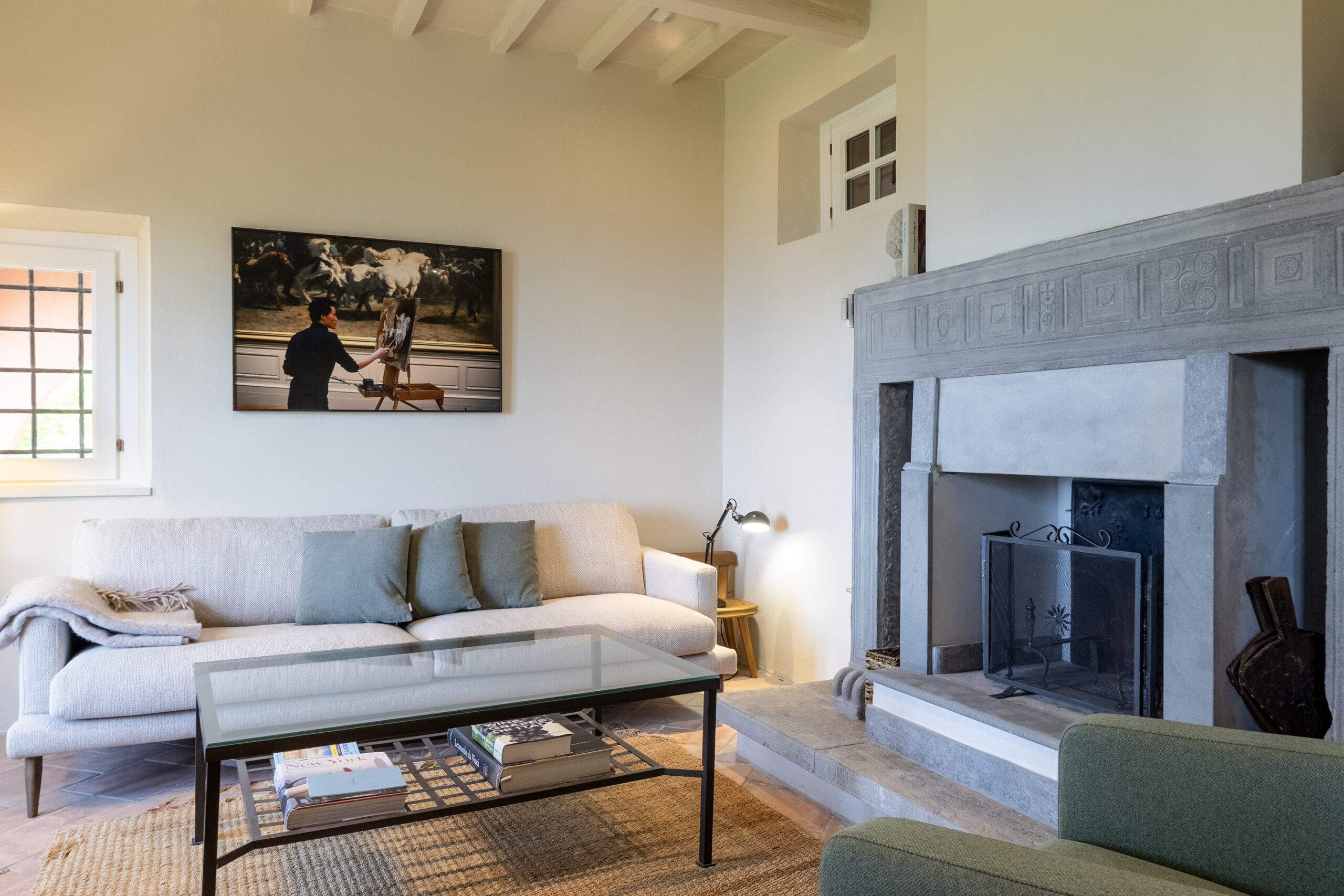
Twenty years later, the same rule holds in a Lucchese farmhouse or a Belgravia townhouse. The wall you are not allowed to move is the wall that gives the plan its character. The ceiling height you cannot change is the proportion the room was always meant to have.
the craft of permission
People imagine heritage work as a battle with conservation officers. Done properly, it is the opposite: a conversation in which you demonstrate that you understand the building better than anyone else in the room. On the big public projects this meant archives, surveys, and evidence for every intervention. We bring the same method to private houses.
Approvals follow understanding. They rarely follow cleverness.
from whitehall to lucca
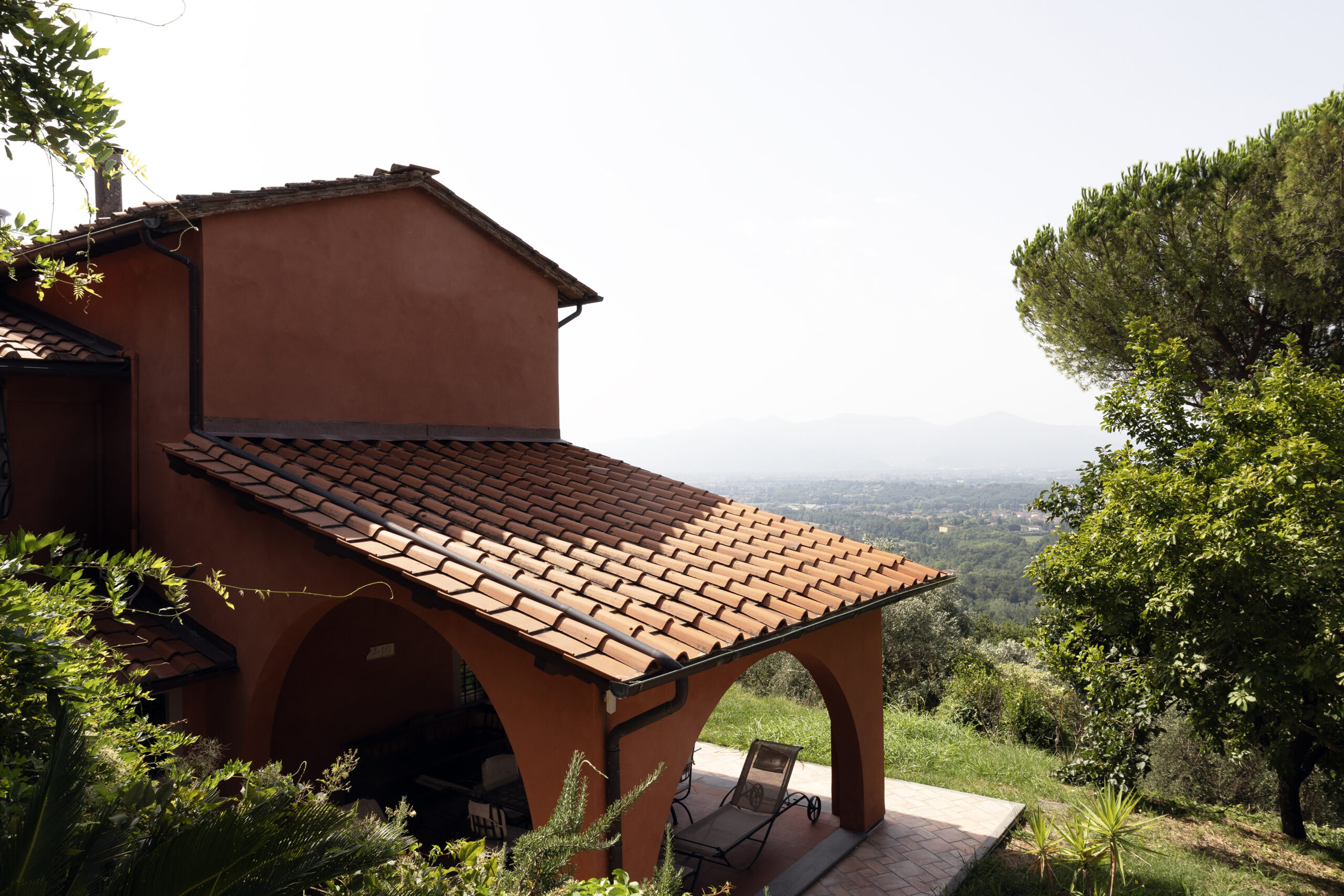
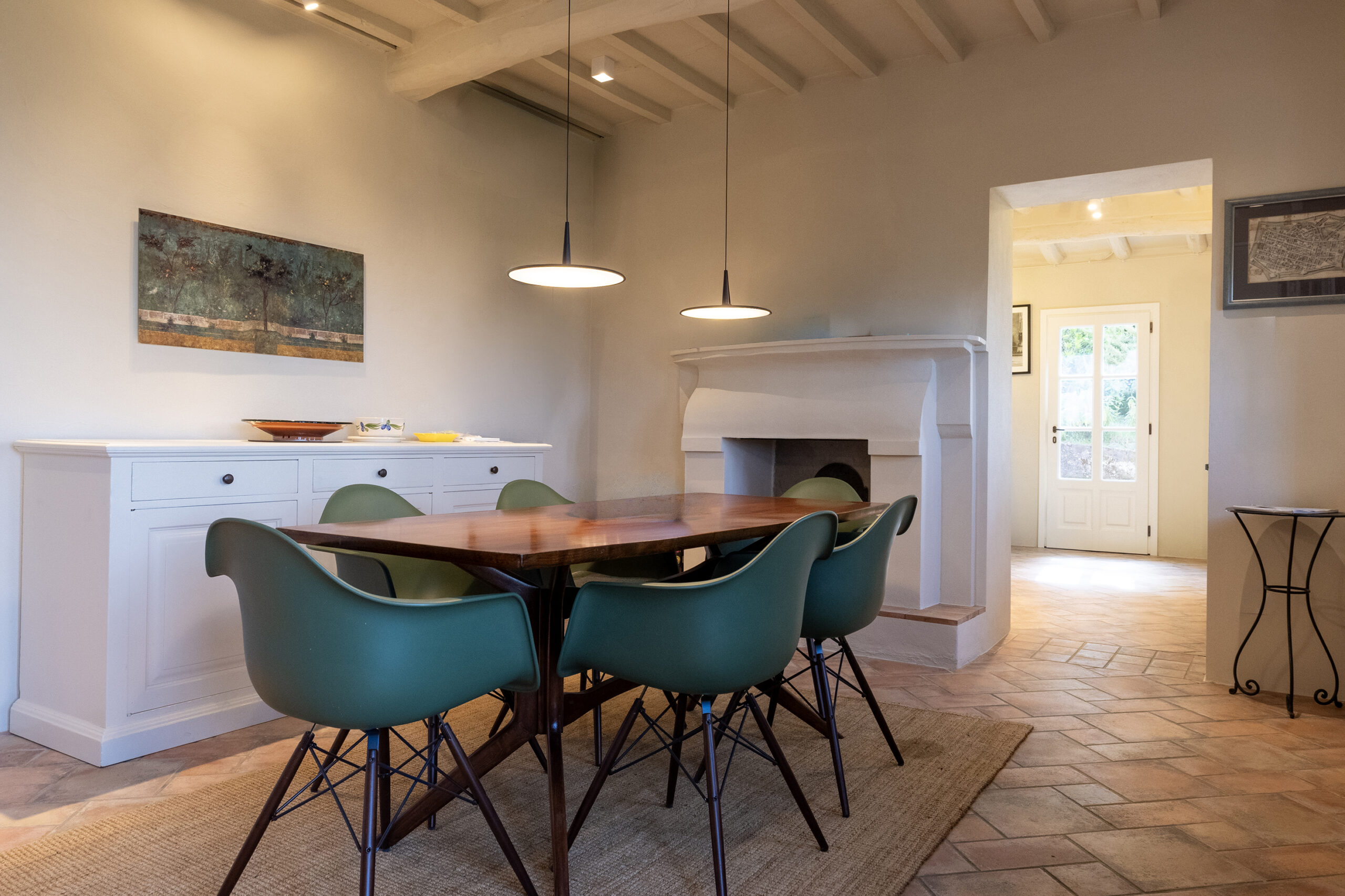
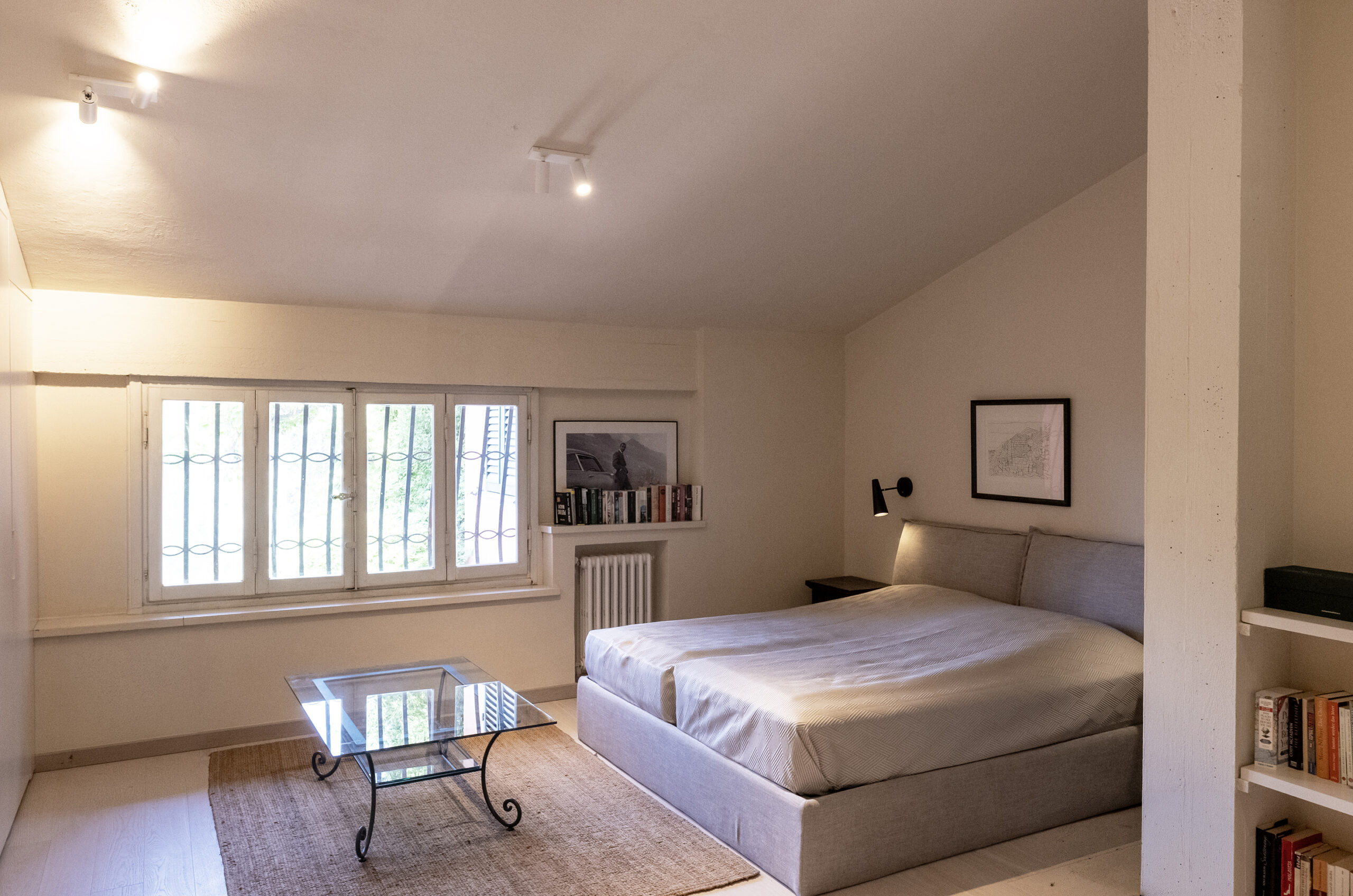
Our Palazzina, in the countryside outside Lucca, is the domestic end of the same discipline: a house where the work was to let the existing fabric carry a contemporary life, not to interrupt it. On the same estate, at Chiasso, Tenuta di Forci, we are working within a fourteenth-century agricultural estate where every building already knows what it wants to be — our job is to listen first and draw second.
And in London, 102 BG — a period house given a light glass and steel extension — shows that the English and Italian traditions of working inside history are closer than either country admits: both reward patience, evidence, and a certain humility with the chisel.
what the client gains
A client who buys a listed or period property is buying an asset whose value lies precisely in what cannot be replicated. Strip it out and you have spent a fortune destroying the thing you paid for. Keep it — and upgrade the building’s performance quietly around it — and you own something no new-build can offer. My colleague Elisa has written about this from the design side in What We Keep; my side of the practice makes sure it survives contact with the building site.
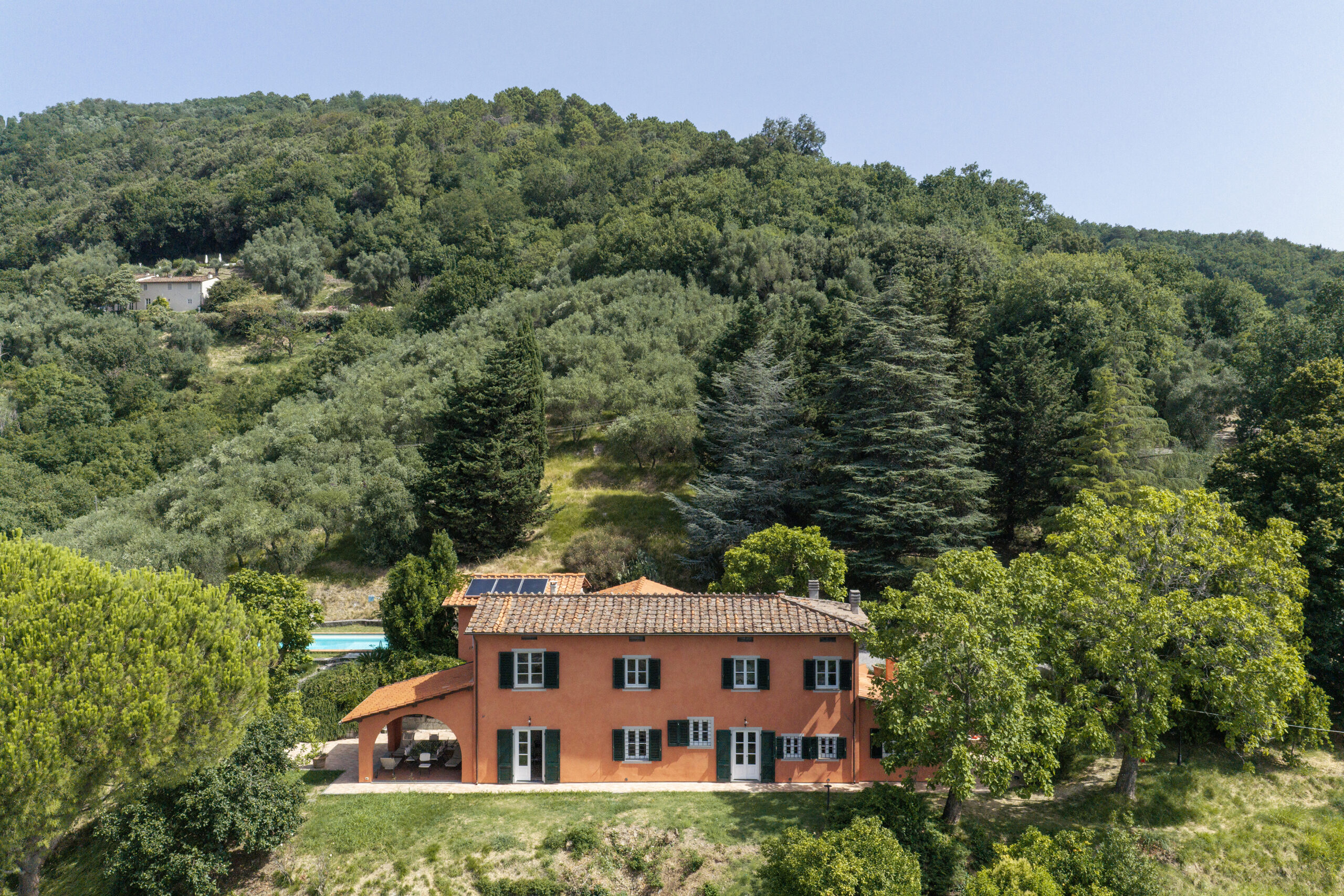
Before a single drawing is made, research what is original, what is a later accretion, what can honourably go and what must stay. The archive is the cheapest consultant you will ever hire — and the one that gets your planning consent.
reflection
Own a listed or period property and wondering what it could become?
Robert Hall is co-founder of Pardini Hall Architecture, an Italian-British practice based in London working across the UK and internationally. Before founding the practice he worked on 7 More London — the first UK office building rated BREEAM Outstanding — the refurbishment of HM Treasury, and a large City of London office building as a partner at MAKE Architects.
An Italian eye, a London practice. We design here and build with people on the ground.